A Day in the Life of an SBI PO — From Trainee to Branch Manager
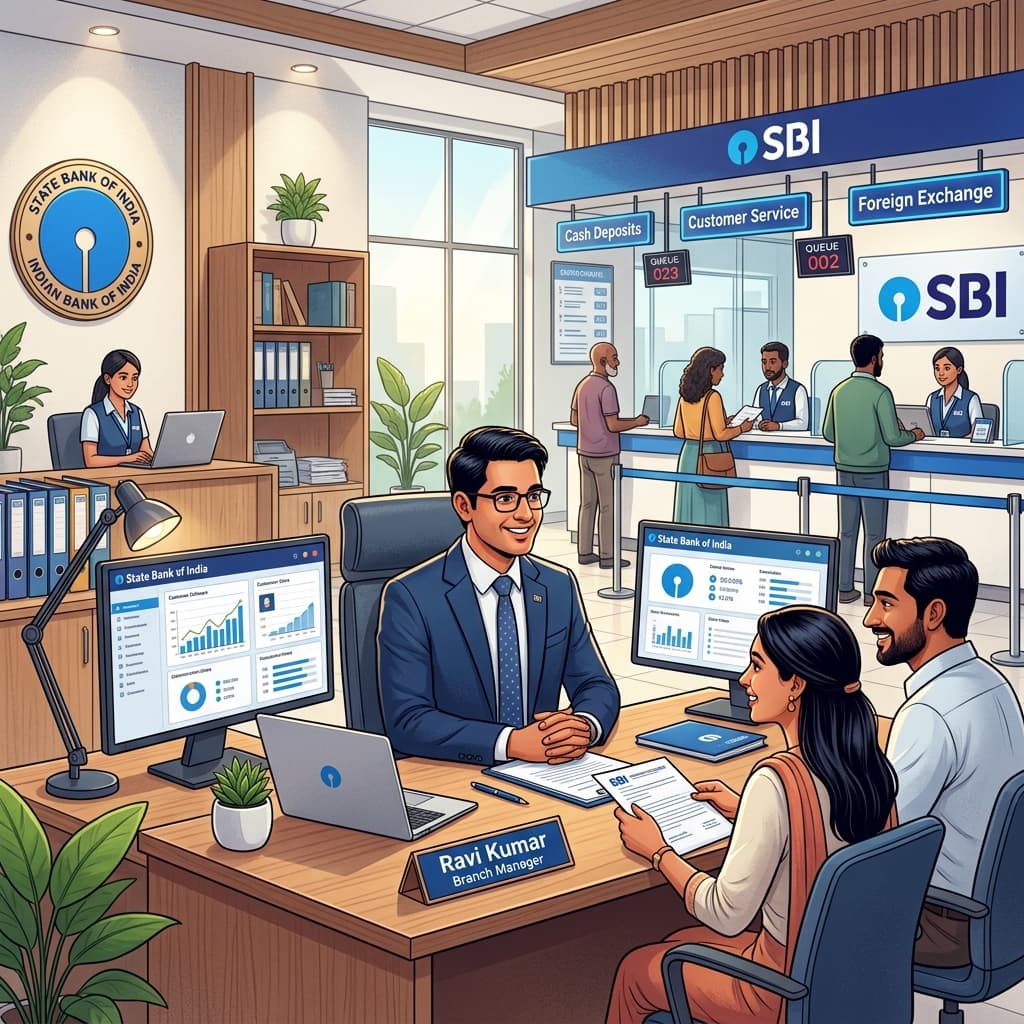
The alarm rings at 6:30 AM in a comfortable apartment, courtesy of SBI's housing loan at just 1% interest. Meet Arjun, an SBI PO (Probationary Officer) who's now a Branch Manager at one of Mumbai's busiest branches, overseeing ₹400 crores in assets.
6:30 AM — Morning Routine
Unlike the IAS officer with a bungalow, Arjun lives in a modern apartment. The mortgage is affordable thanks to SBI's generous housing loan scheme. He showers, has breakfast, and reads the news — stock market updates are crucial in banking.
8:00 AM — Office Preparation
Arjun commutes by his own car to the branch. The office opens at 10 AM, but he arrives by 8:30 to review overnight reports. In banking, every day brings new transactions, client issues, and regulatory requirements.
9:00 AM — Review of Overnight Activity
The previous day's cash position, international transactions, and customer complaints are laid out. Arjun's team presents: - Deposit balance: ₹400 crores - Loan portfolio: ₹250 crores - Failed transactions that need investigation - VIP customer complaints
9:30 AM — Team Briefing
The branch has 25 employees: tellers, relationship managers, accountants. Arjun briefs them on: - New loan products to sell - Customer targets for the month - Process improvements - Incentives for meeting targets
In banking, performance matters. The branch that meets targets gets incentives, promotions, and better postings.
10:00 AM — Branch Opening
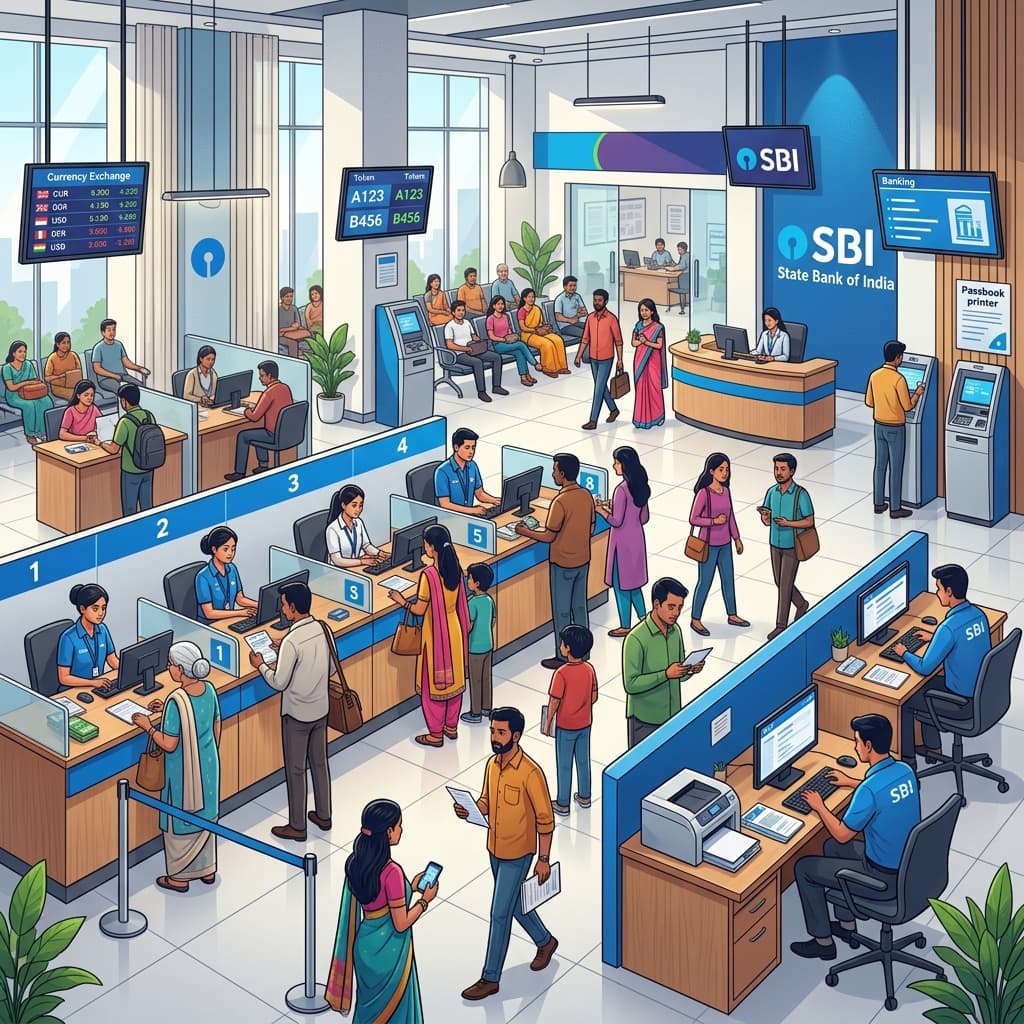
The branch opens. Within minutes, customers stream in: - Retirees withdrawing pensions - Business owners depositing daily collections - Job seekers opening salary accounts - Students applying for education loans
Arjun is visible, greeting customers, ensuring smooth operations.
11:00 AM — Loan Approvals
This is where real power lies. Arjun sits with the Credit Officer to review loan applications: - Personal loan for ₹10 lakhs (approved in 5 minutes) - Home loan for ₹50 lakhs (needs CIBIL check, property evaluation) - Business loan for ₹25 lakhs (needs income proof, business verification)
Arjun can approve up to ₹75 lakhs independently. Above that, it goes to regional approval. The authority is delegated based on experience.
12:30 PM — Lunch
Usually at a nearby restaurant or sometimes the office pantry. The salary is good enough to eat well. With perks and incentives, an SBI PO can earn ₹50,000-70,000 monthly.
1:30 PM — Customer Interaction
A VIP customer — a business owner with ₹5 crore in deposits — walks in. Arjun personally attends to them. Building relationships is crucial. A single big customer can contribute significantly to branch performance.
2:00 PM — Compliance and Reporting
Banking is heavily regulated. RBI has rules for everything: - Capital adequacy ratios - NPA (Non-Performing Assets) management - KYC compliance - Anti-money laundering checks
Arjun spends time ensuring the branch meets all regulatory requirements. Non-compliance means penalties and reputation damage.
3:00 PM — Marketing and Sales
Banking is also a competitive business. Arjun plans strategies to: - Increase deposits (lower cost of funds) - Increase loans (higher revenue) - Cross-sell insurance and mutual funds - Retain existing customers
His performance metrics are tracked daily. Meeting targets directly impacts bonuses.
4:00 PM — Problem Solving
A customer's check bounced. An ATM ran out of cash. A visa application requires a bank letter. Arjun's phone doesn't stop ringing. As the manager, he's the final authority for exceptions and solutions.
5:00 PM — Cash Reconciliation
Before closing, the cash desk must tally. This is critical — even a ₹10 discrepancy triggers an investigation. The accountants reconcile: - Physical cash count - Digital records - Deposit amounts - Withdrawal amounts
5:30 PM — End of Day Report
A comprehensive report goes to regional headquarters: - Daily deposits - Disbursements - ATM status - Any incidents - Customer complaints
6:00 PM — Branch Closure
The branch closes. But Arjun stays back, working on emails, reports, and planning for tomorrow. Banking is demanding.
The SBI PO Perks
- **Housing**: Loan at 1% interest (vs. 6-8% market rate) - **Medical**: Comprehensive medical coverage for family - **Leave**: 45 days per year (much higher than private sector) - **Pension**: Secure pension after 20 years - **LFC (Leave Fare Concession)**: Subsidized travel for vacations - **Job Security**: Virtually impossible to get fired - **Gratuity**: Significant payout after retirement - **Bonuses**: Performance-linked incentives up to ₹2-3 lakhs yearly
Salary Breakdown
- Base Pay: ₹36,000 - Dearness Allowance (50%): ₹18,000 - HRA (20% for non-metro): ₹7,200 - Transport Allowance: ₹1,800 - Gross: ₹63,000 - In-hand after deductions: ₹45,000-50,000 - With incentives and bonuses: ₹60,000-75,000
The Career Path

Year 1-3: Probationary Officer (learning phase) Year 4-7: Officer (increased responsibilities) Year 7-15: Senior Officer / Specialist Year 15+: Manager / Regional Manager Year 25+: General Manager / Executive
Many POs retire as GMs earning ₹1.5L+ monthly, with lifetime pension.
The Challenges
- **Target Pressure**: Meeting monthly/quarterly targets is stressful - **Regulatory Scrutiny**: RBI audits are frequent and intense - **Customer Issues**: Complaints from thousands of customers - **Work-Life Balance**: Banking hours can be demanding - **NPA Worries**: Managing non-performing assets is emotionally draining
Why SBI PO?
If you want stability, decent salary, and respect, the SBI PO is excellent. You're not getting ultra-rich, but you're building a secure life. The job involves numbers, people, and decision-making.
After 20 years, you can retire with a comfortable pension and live a middle-class life without financial stress. In a country with limited social security, that's valuable.
Found this helpful?
← Previous Story
A Day in the Life of an IAS Officer — What Does a ...
Next Story →
A Day in the Life of an Income Tax Inspector — Rai...
Ready to prepare for Banking?
Take AI-powered practice tests, explore detailed roadmaps, and track your progress.
Start Your Journey →