A Day in the Life of an IAS Officer — What Does a District Magistrate Actually Do?
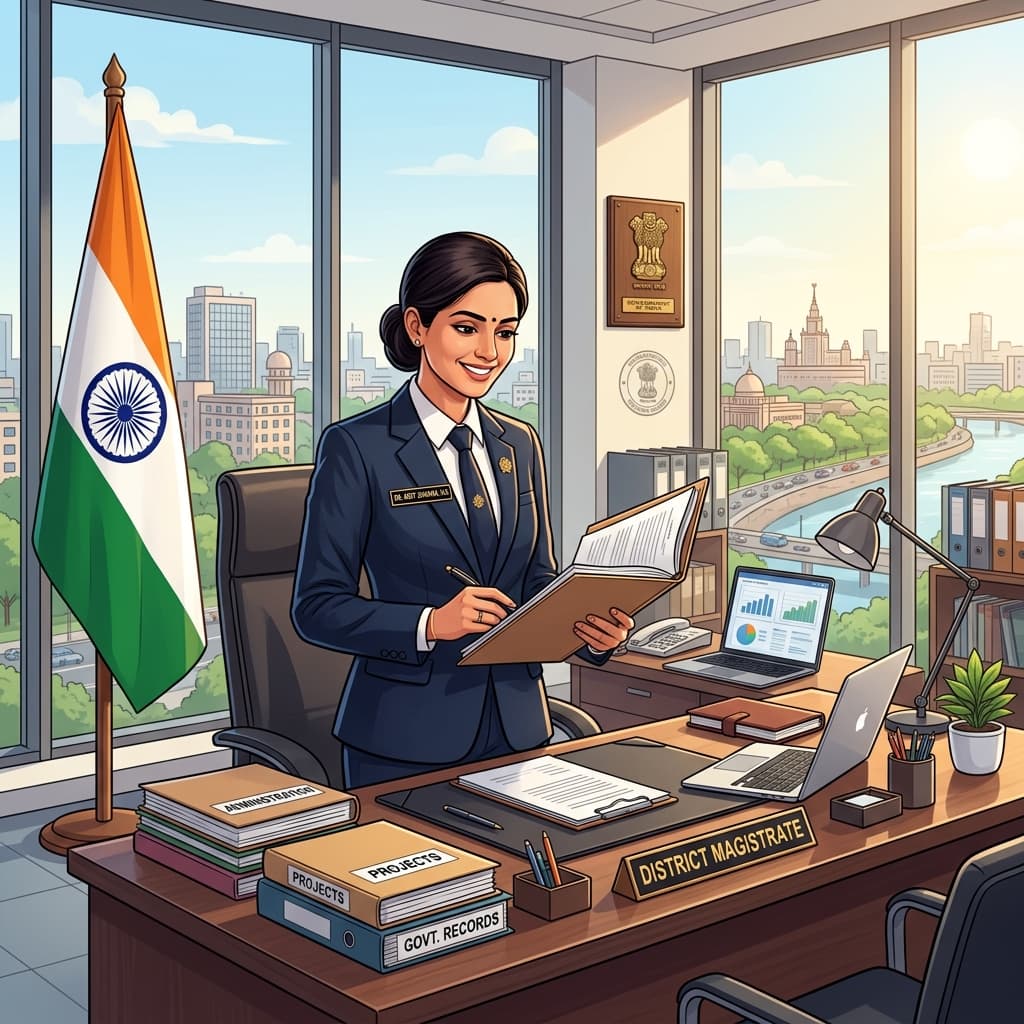
When people think about the most powerful job in India, they often imagine the Prime Minister or Chief Justice. But at the district level, there's one person who holds enormous power: the District Magistrate, an IAS officer.
6:00 AM — The Morning Begins
The alarm goes off in the sprawling government bungalow — a magnificent Victorian-era mansion with high ceilings, manicured lawns, and a compound that's bigger than most schools. This isn't an office; it's the DM's residence. For many IAS officers, the home and workplace blur together.
The DM goes for a 45-minute walk through the compound gardens, sometimes with the security detail following at a distance. The gardener has already arranged fresh flowers in the living room. The cook is preparing breakfast — usually a mix of Indian and continental options.
8:30 AM — Reading Files
Before heading to office, the DM spends an hour reading the previous night's files. In the file room, a peon has organized everything in order of priority: pending court cases, law & order updates, development projects, and citizen complaints.
As DM, this officer has powers that rival a 19th-century British administrator. They can: - Order arrests for civil disobedience - Approve budgets worth thousands of crores - Declare public holidays - Commandeer buildings for emergencies - Grant land licenses - Supervise elections
10:00 AM — Staff Briefing
At the district headquarters, dozens of officers await. The DM sits at the head of a long wooden table. There's an unspoken hierarchy: when the DM enters, everyone rises.
Today's agenda includes: - A murder case that requires intervention - Preparations for a visit by a national leader - Drought relief measures for villages in the district - A school building collapse that needs investigation
The DM delegates, decides, and dictates policy. One word can set hundreds of people in motion.
11:30 AM — Field Visit
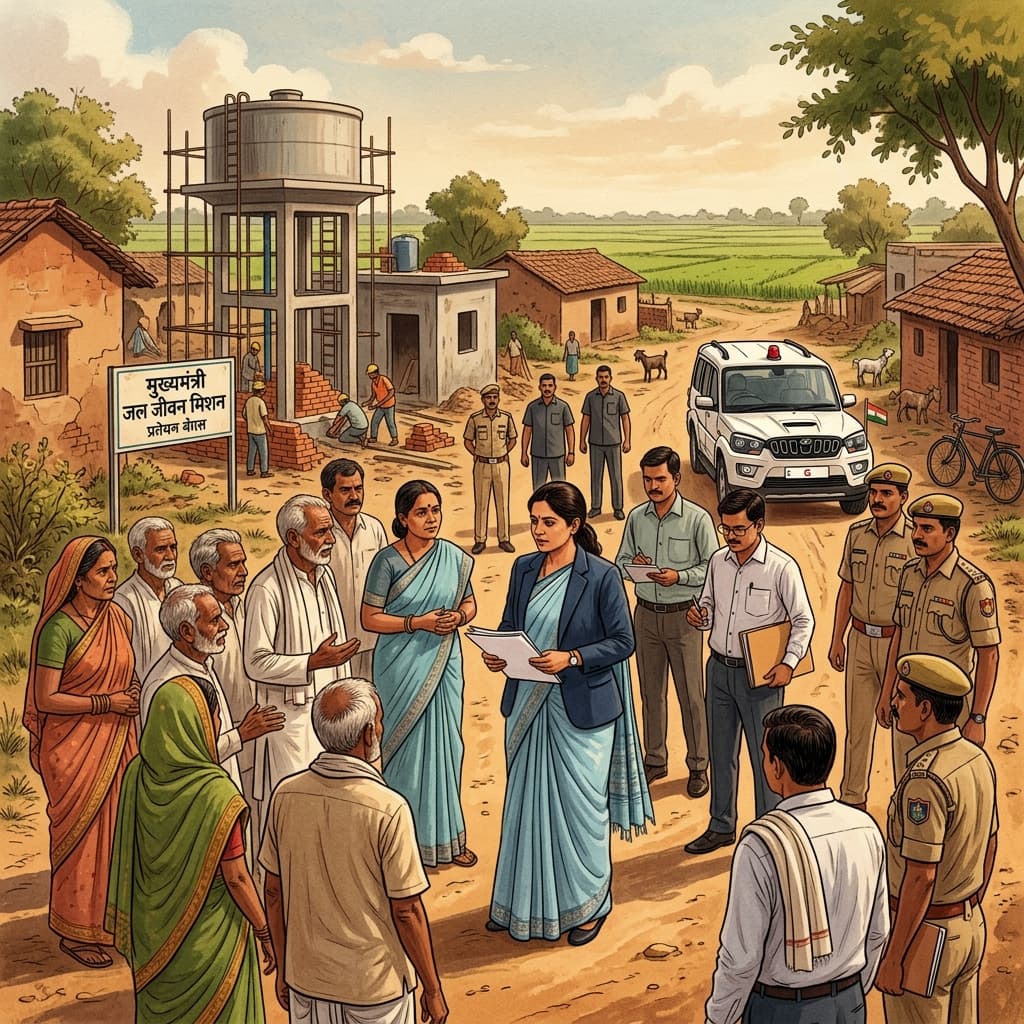
The official motorcade — usually 3-4 vehicles with security personnel — heads to a village 40 km away. The DM is inspecting a government scheme that's supposed to build water tanks for drought-hit areas.
But when they arrive, villagers complain that the contractor has abandoned the work halfway. The DM's security team immediately begins taking photographs. Within hours, action will be taken against the contractor.
This is the reality of governance. The DM can order arrests, demand explanations, and ensure accountability with a single phone call.
1:00 PM — Lunch
Back at the government bungalow, lunch is served in the dining hall. The spread includes both traditional cuisine and Western dishes. The DM sometimes eats alone, sometimes with visiting officials or family.
The bill? Zero rupees. It's all part of the officer's perks.
2:30 PM — Public Grievance Hearing (Jan Sunwai)
This is the part that reminds us that democracy still works at the grassroots level. For two hours, the DM sits in an open office where any citizen can present their grievance.
Today, a farmer complains about land dispute. An elderly woman seeks a pension. A shopkeeper wants permission to open a food court. A student wants admission to a government school.
The DM listens, makes notes, and assigns officers to resolve each case. There's no waiting period, no application forms in triplicate. Just direct access to power.
4:00 PM — VIP Visit
A senior politician is visiting the district. The DM must brief them on current issues, arrange security, and ensure everything runs smoothly. In India's political system, an IAS officer must balance between being technically neutral and practically political.
5:30 PM — Administrative Decisions
Back at the office, the DM reviews proposals: - A new road project costing ₹50 crores - Recommendations for police transfers - Applications for disaster relief - Promotion recommendations
Each decision will affect thousands of lives. The weight of this responsibility is something no exam can prepare you for.
7:00 PM — Officer's Club
The evening is spent at the district's elite Officer's Club, where IAS, IPS, forest officers, and other senior bureaucrats gather. It's a place where relationships are built, gossip is exchanged, and alliances are formed.
The DM is the de facto leader here, often picking up the bill (from their generous entertainment allowance).
The Perks Are Real

- **Housing**: A 5-bedroom bungalow worth ₹1+ crore, maintained by government staff - **Transport**: An official car with driver, fuel, and maintenance - **Staff**: Personal cook, gardener, sweeper, security personnel - **Medical**: Free treatment at government hospitals, plus coverage for family - **Children's Education**: Reserved seats in elite schools - **Entertainment Allowance**: ₹5,000+ monthly for official events - **Pension**: A secure pension after 20 years of service - **Respect**: An officer commands instant respect in society
The Salary Breakdown
- Base Pay (Level 10): ₹56,100 - Dearness Allowance (50%): ₹28,050 - HRA (30% for metro): ₹16,830 - Transport Allowance: ₹3,600 - Total Monthly Gross: ₹1,04,580 - After deductions (NPS, tax): Around ₹70,000-80,000 in-hand
But the true value? Consider that food, housing, and utilities are essentially free. The true earning power is 2-3x the salary.
The Weight of Responsibility
For all the glamour and power, an IAS officer carries enormous responsibility. During natural disasters, communal violence, or political crises, the DM must ensure law and order, protect citizens, and maintain normalcy.
Sleep-deprived nights during elections, riots during communal tensions, and endless paperwork are realities. The power is real, but so are the challenges.
Why This Matters
The IAS is India's most powerful administrative service. If you're considering government service, remember that the power and prestige come with the expectation to serve 1.4 billion people. That's both the challenge and the calling.
For aspirants: The IAS isn't just about salary. It's about wielding legitimate power to improve lives. If that excites you, this is your path.
Found this helpful?
Ready to prepare for UPSC?
Take AI-powered practice tests, explore detailed roadmaps, and track your progress.
Start Your Journey →